Year: 2025

Categories Swim Community

When Passion Outswims Age: Reflections from the Maharashtra State Masters Aquatic Championship 2025

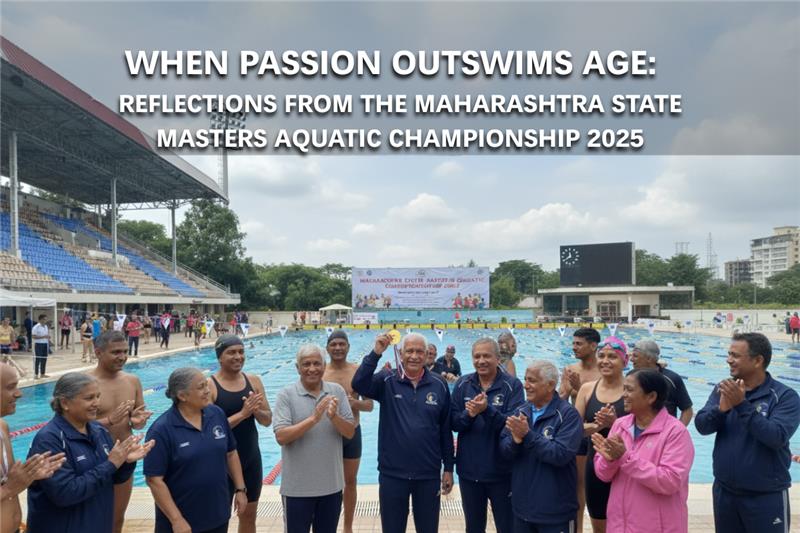
On 9th November 2025, the pool deck at Balewadi-swimming pool, Pune, came alive with energy, smiles, and stories that touched the heart — during the Maharashtra State Masters Aquatic Championship 2025, held under the aegis of the Swimming Federation of India (SFI).

Across India, Masters championships celebrate the same spirit where swimmers of all ages dive back into the lanes they once called home. Being there and experiencing it firsthand reminded us why swimming is more than just a sport — it’s a lifelong celebration of passion, perseverance, and pure joy in the water.

At most swimming meets, whether it’s Sub-Junior, Junior Nationals, School Games, or Senior Nationals, the stands are filled with parents and grandparents cheering anxiously for their young ones. But yesterday, the picture was beautifully reversed. Here, it was the grandchildren, sons, daughters, and even in-laws who stood proudly by the poolside- waving, clapping, and cheering for their 50+, 70+, and even 80+ year-old champions.

Watching those silver-haired swimmers’ step onto the blocks, adjusting their goggles with calm determination, was a sight that could melt any heart. They weren’t chasing medals. They were chasing moments, memories, and the rhythm of their strokes that have defined much of their lives.

The championship, divided across a full day of events was marked less by fierce competition and more by laughter, encouragement, and stories shared between races. Swimmers congratulated one another after every finish, helped each other with caps and goggles, and posed together for photos that radiated pure joy. There was no rivalry – only respect, camaraderie, and gratitude for still being able to do what they love. The atmosphere was charged not with tension, but with excitement and positivity. You could feel the collective pride of families watching their loved ones prove that age is no barrier when the heart beats for sport.

What this championship reminded everyone is that swimming is not just for the young or the competitive, it’s for anyone who wants to stay healthy, active, and happy. It’s one of the few sports that welcomes every age group with open arms. From fitness to rehabilitation, from competition to companionship: swimming offers it all. Seeing participants aged 25 to 85 glide through the same water was a living example that passion doesn’t fade – it evolves.

SwimProHub is on a mission to transform the Indian swim ecosystem – connecting swimmers, parents, coaches, academies, and enthusiasts through technology, data, and community.

The Maharashtra State Masters Aquatic Championship 2025 beautifully reflected the essence of what SwimProHub stands for:

  • Inclusion across ages
  • Passion that never fades
  • A community built on love for the sport

Here’s to the Masters – the real legends who prove that swimming is not just a phase of life, but a lifelong rhythm. Every stroke they took was a reminder that while records may fade, the spirit of sport never does.
Categories Swimming Training

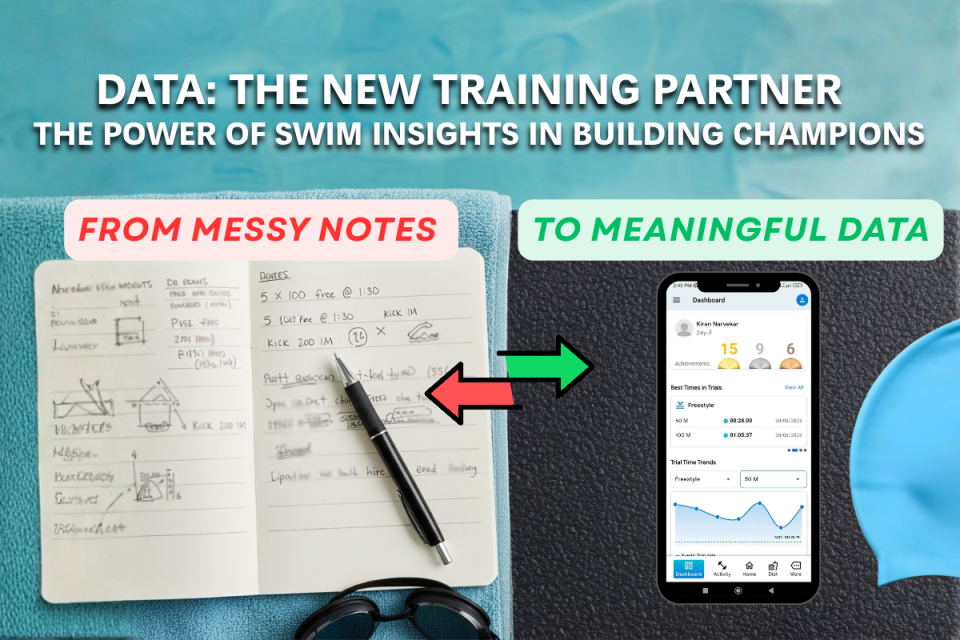
Data: The New Training Partner. The Power of Swim Insights in Building Champions

In swimming, talent and training have long been the foundation of success. But as the sport evolves, that foundation is being reinforced and redefined—by data. From stroke analysis and underwater efficiency to recovery metrics and biometric insights, data has become every swimmer and coach’s trusted training partner, offering a scientific edge that enhances, not

As the global sporting landscape shifts toward precision-based performance, India’s swimming ecosystem is now poised for its own tech-driven leapwith SwimProHub Swimmer360° leading the way.  

1. The Technological Leap in Swimming

Across the world, swimming has already undergone a quiet but powerful transformation — driven by data. For years, elite programs and research institutions have been integrating wearable technology, biomechanical sensors, and intelligent analytics to refine every stroke and split. Studies published in MDPI describe advanced systems using inertial and biosensors to track stroke mechanics, turns, speed, and heart metrics with real-time accuracy exceeding 95%. Similarly, a systematic review in PMC highlights how accelerometers and gyroscopes embedded in modern wearables have enabled real-time stroke counting, timing, and efficiency tracking, turning subjective observation into measurable insight. Reflecting this global acceptance, since January 2023, World Aquatics (FINA) has officially allowed data-collection wearables during competition — capturing lap rates, stroke length, heart rate, and underwater time for post-race analysis.

While these technologies are already shaping high-performance swimming environments across the U.S., Europe, and Australia, India is now beginning its own data-driven transition, laying the foundation for a new era for Indian swimmers.

2. Why Data Builds Faster Swimmers

Data doesn’t just inform—it transforms.

When used effectively, swim analytics enable coaches and athletes to:
  • Compare performance benchmarks, identifying areas of strength and weakness.
  • Visualize performance efficiency, often invisible to the naked eye.
  • Track fatigue and recovery, preventing overtraining and injury.
  • Optimize race strategies by understanding split patterns and stroke variations.

However, technology must be applied thoughtfully. A 2023 article in Swimming World Magazine warns that data overload—especially among younger athletes—can lead to anxiety or dependence. Used correctly, however, data becomes a trusted guide, not a distraction.

3. India’s Swim Ecosystem: Beginning the Tech Transition
  • India is slowly embracing the shift toward a digital swimming ecosystem—but it still has a long way to go. At major international events, India’s representation remains limited. In 2024 Olympic Games, just two swimmers qualified to compete—highlighting a performance gap between India and swimming powerhouses.
  • While elite-level swimmers may have access to biomechanical assessments and imported wearables, grassroots swimmers often operate without structured data or digital tools. Many still rely on notebooks, subjective feedback, or inconsistent training loads. According to the Swimming Federation of India, national-level development has increased, but consistent access to athlete analytics remains a challenge.
  • This is where technology has the power to democratize performance—and SwimProHub Swimmer360° is leading that transformation. SwimProHub Swimmer360° India’s first comprehensive swim-tech app, brings swim training, performance tracking, nutrition monitoring, and vitals logging into one ecosystem—enabling access for each swimmer for free.
4. SwimProHub’s Role in Closing the Gap

SwimProHub Swimmer360° is India’s first comprehensive swim app in the Indian swimming ecosystem, designed to make high-performance analytics available to every swimmer—regardless of their geography or income level.

What sets it apart?

  • A complete swim tracking dashboard for your workouts and integrated analytics that replace the need for costly global tools.
  • Built-in goal setting tool for swimming time improvement.
  • Monitoring of diet, mood, and health, ensuring swimmers train and recover scientifically.
  • All Premium features 100% free to use

This makes SwimProHub Swimmer360° the first Indian platform to consolidate training, analytics, health, and goal-setting—on one seamless interface. By simplifying data interpretation and making insights actionable, SwimProHub supports continuous athlete development—exactly as successful programs in the U.S. and Europe have proven effective.

5. The Competitive Advantage of Data

Globally, data-led training models have shown tremendous success. By combining math, biomechanics, and sport science, many programs have built swimmer profiles that are dynamic, adaptable, and optimized in real-time.

In India, a similar evolution is not only possible—it’s necessary. Platforms like SwimProHub Swimmer360° are already enabling:

  • Evidence-based training, reducing guesswork in planning and tapering.
  • Clear performance visualization, making progress tangible for swimmers and families.
  • Data-driven athlete development, from grassroots to elite training environments.

As University of Virginia’s Data Science department and others have demonstrated, integrating biomechanics, sensors, and math into training shifts swimmers from intuition-based to precision-based performance. With platforms like SwimProHub, India is poised to adopt such innovation—tailoring plans, tracking metrics, and guiding swimmers scientifically.

Conclusion :

“Data as the training partner” — this isn’t just a phrase; it represents a new way of thinking about performance. And India has the talent, ambition, and now the tools to make it happen. Coaches will always remain the heart of athlete development — guiding, mentoring, and inspiring swimmers in ways no algorithm can. But when data works alongside that expertise, it transforms insights into action, helping every swimmer train smarter, recover better, and perform stronger.

With SwimProHub Swimmer360°, the country is stepping into an era of smart swimming—where science backs every session and performance is continuously nurtured through actionable insights.

India doesn’t need to wait for global solutions. The solution is already here and it’s built for Indian swimmers, by Indian technologists, and with Indian excellence in mind.

References
  1. Pérez-Marín et al., Intelligent swimming analytics with wearables, MDPI, 2021.
  2. Systematic review of wearables in swimming, PMC, 2022.
  3. FINA-approved wearables in competition, Phlex Swim, Nov 2023.
  4. Wearable anxiety caution, SwimmingWorld, 2023.
  5. UVA data-driven swim training, University of Virginia Data Science news.
Categories Swim Community

Asian Games 2026 Selection Policy: What It Means for Swimming in India?

The Sports Ministry’s recent directive for the 2026 Asian Games has made headlines: only athletes and teams with a “real chance of winning medals” will be cleared to participate.

For measurable sports like swimming, this means Indian swimmers must match or surpass the 6th-place timing from the previous Asian Games in officially recognized competitions within the last 12 months. No longer can athletes participate just for exposure, or even at their own cost—the government will only support those with genuine podium prospects.

This policy forces us to ask some tough questions:

  • How many of our swimmers are consistently benchmarked against international standards?
  • Do our academies have the tools to transparently track progress toward medal-winning performances?
  • Are we preparing swimmers for podiums, or are we just training them for local competitions?
The Heartbreak behind the Numbers

Behind every swimmer who misses the benchmark, there’s a story—of early morning practices, parents juggling finances, coaches struggling with limited pool time, and athletes racing with more determination than resources.

Now, imagine telling such a swimmer: “You can’t represent your country, because we don’t think you can win a medal yet.”

It’s harsh, but it’s also the reality. And unless we rethink how we build the swimming ecosystem in India, many deserving athletes will never even get the chance to step on that starting block at the Asian Games.

This decision, while pragmatic, has stirred mixed emotions in the Indian sports ecosystem. Let’s break it down:

The Challenge for Indian Swimming Ecosystem

Swimming in India has always faced unique hurdles:

  • Uneven training infrastructure – Elite pools are concentrated in a few metros.
  • Lack of structured data – Unlike athletics or shooting, swimming often lacks systematic tracking of performance benchmarks.
  • Limited exposure – Many swimmers don’t get consistent opportunities to compete internationally, making it harder to meet selection standards.
  • Gap between grassroots and elite – Promising young swimmers may miss crucial international exposure before they reach peak performance age.

With the new policy, only medal-ready swimmers will go to the Asian Games. That raises the bar but also risks leaving behind a generation of swimmers who could develop into future champions with the right support.

How Technology Can Bridge This Gap

This is exactly where digital solutions like SwimProHub Academy360° come into play.

  1. Benchmark Tracking Made Easy:The app integrates with smartwatches and training logs to track swimmers’ times against qualifying benchmarks. Coaches and academies can instantly see whether their swimmers are approaching, matching, or falling short of qualifying standards.
  2. Structured Training & Assessment: SwimProHub Academy360° enables academies to set up standardized training programs, skill assessments, and certifications. This ensures swimmers across India progress under a uniform framework, closing the gap between grassroots and elite levels.
  3. Transparent Data for Federations : With verified performance data stored securely on the platform, federations and selectors get a clear, unbiased picture of swimmer development. This makes selection decisions more transparent and evidence-driven.
  4. Exposure beyond Local Pools: Through digital assessments, trials and competitions data on SwimProHub Academy360°, swimmers can compare progress data and monitor their overall performance—even if they don’t have access to high-profile competitions every month.
  5. Building a Medal-Ready Ecosystem: By combining training, diet data, health metrics, performance analytics, certification, and communication in one platform, SwimProHub Academy360° can help create a pipeline of swimmers who are truly medal-ready—not just in 2026, but for decades to come.
  6. Coach & Academy Empowerment: Instead of working in silos, coaches gain tools to prepare swimmers systematically for medal-level competitions by removing guesswork and bias. SwimProHub Academy360° provides dashboards, reports, performance analytics, and much more which uplifts the swimming ecosystem in India.
A Way Forward

The Sports Ministry’s policy is clear: India must send only those with real medal potential. For swimming, this should not be seen as a setback, but as a call to action.

If India wants more swimmers on the Asian Games podium, the ecosystem needs to invest in:

  • Technology-driven training platforms like SwimProHub Academy360°.
  • Standardized performance tracking across academies.
  • Early benchmarking against international standards.
  • Transparency and inclusivity, so no talent is overlooked.

This is not just about medals. It’s about building confidence, credibility, and a clear pathway for every swimmer in India.

The Bigger Picture

The Ministry’s rule is not just about limiting participation—it’s about raising standards. But raising standards without fixing the grassroots pipeline will only shrink the dream for thousands of swimmers.

Policies will come and go, but the long-term solution for Indian swimming lies in systematic training, transparent benchmarking, and athlete development powered by technology.

If India wants to move from participation to podiums in swimming, technology-enabled ecosystems like SwimProHub Academy360° aren’t optional—they’re essential.

Because medals aren’t won on race day. They’re built every day in our pools—through consistency, data, and vision.

Citations & References
  1. Selection criteria for 2026 Asian Games: Sports Ministry bans additional support staff even if govt. not billed, Times of India — timesofindia.indiatimes.com The Times of India
  2. Only athletes, teams with medal possibility for 2026 Asian Games, says Sports Ministry, Hindustan Times — hindustantimes.com DD News
  3. Govt notifies selection criteria for Asian Games 2026, other multi-sport events, DD News — ddnews.gov.in DD News
  4. Selection criteria for 2026 Asian Games: Ministry bans additional support staff, NDTV Sports — sports.ndtv.com NDTV Sports
  5. 2026 Asian Games: Only medal-contending athletes to be selected, extra support staff banned, Economic Times — economictimes.com The Economic Times
  6. Sports Ministry sets strict benchmarks for 2026 Asian Games selection, The Statesman — thestatesman.com The Statesman
  7. Ministry of Youth Affairs & Sports brings out Selection Criteria …, Press Information Bureau (via PIB site) – pib.gov.in
Categories Swimmer Nutrition

Muscles That Power a Faster Swim: A Stroke-by-Stroke Guide

Ready to swim faster? It’s all about the muscles you engage and how efficiently you use them. Each swim stroke—freestyle, backstroke, breaststroke, or butterfly—relies on specific muscle groups to boost speed and performance. Below, we break down the key muscles for each stroke, explain their role in swimming faster, and provide science-backed training insights. Let’s dive in!

Freestyle: The Speed Machine

Freestyle, or front crawl, is the fastest stroke, blending full-body power with streamlined motion.

Key Muscles at Work:

This lactate accumulation can have both short-term and long-term implications:

  • Latissimus Dorsi (Lats): : These broad back muscles drive the underwater pull, propelling you forward.
  • Pectoralis Major (Pecs): Chest muscles engage during the catch and pull, moving water efficiently.
  • Deltoids:Shoulder muscles stabilize arms during pull and recovery phases.
  • Triceps: Extend elbows underwater, enhancing pulling power.
  • Core (Abs, Obliques, Transverse Abdominis): Maintains streamline, reduces drag, and aids torso rotation.
  • Quadriceps & Hamstrings: Power the flutter kick for propulsion and balance.
  • Glutes:Drive hip extension in the kick for added force.

Why They Matter for Speed:

Lats and teres muscles generate pulling power, while posterior deltoids ensure smooth recovery to reduce drag. The flutter kick, driven by hip flexors, quads, and glutes, significantly boosts speed (Hollander et al., 1988). A strong core prevents rolling, enabling efficient gliding.

Breaststroke: The Leg-Driven Stroke

Breaststroke relies heavily on leg power and technique, with its signature whip kick.

Key Muscles at Work:

  • Pectoralis Major: Powers the arm pull, sweeping water inward.
  • Latissimus Dorsi: Supports the pull, particularly during the insweep.
  • Quadriceps & Adductors: Drive the whip kick, with adductors pulling legs together for thrust.
  • Glutes & Hamstrings: Extend hips and flex knees for a powerful kick.
  • Core: Stabilizes body during the glide, reducing drag.
  • Calves (Gastrocnemius & Soleus): Flex ankles during the kick, enhancing propulsion.

Why They Matter for Speed:

The breaststroke kick generates up to 60% of propulsion (Maglischo, 2003). Strong quads, adductors, and glutes make the whip kick explosive, while pecs and lats ensure a solid arm pull. A streamlined core and flexible calves optimize glide and kick efficiency for faster times.

Butterfly: The Ultimate Power Stroke

Butterfly demands strength, coordination, and stamina, engaging nearly every muscle group.

Key Muscles at Work:

  • Latissimus Dorsi & Pectoralis Major: Power the simultaneous arm pull, moving large volumes of water.
  • Deltoids: Stabilize shoulders and aid arm recovery.
  • Triceps: Extend elbows during the pull for maximum force.
  • Core (Abs, Obliques, Erector Spinae): Drive the dolphin-like undulation, maintaining streamline.
  • Hip Flexors & Glutes: Power the dolphin kick, lifting the body and adding propulsion.
  • Quads & Hamstrings: Support the kick, driving leg motion.

Why They Matter for Speed:

Lats and pecs deliver a powerful pull, while a strong core ensures tight, efficient undulation. The dolphin kick, fueled by hip flexors and glutes, adds significant speed (Barbosa et al., 2010). Precise muscle coordination is crucial for maintaining momentum and flying through the water.

Power Up Your Training

To swim faster, target these muscles with a mix of dryland and pool training:

  • Upper Body :Pull-ups, lat pulldowns, and bench presses strengthen lats, pecs, and triceps.
  • Core: Planks, Russian twists, and leg raises build a drag-reducing midsection.
  • Lower Body: Squats, lunges, and calf raises enhance kick power, especially for breaststroke and butterfly.
  • Flexibility: Stretch ankles and hips for fluid, effective kicks.

Combine dryland workouts with stroke-specific pool drills to refine technique. Stronger muscles and better form will have you slicing through the water faster. Happy swimming!

Citations

1) Toussaint, H. M., & Beek, P. J. (1992). Biomechanics of competitive swimming: A review. Sports Medicine, 13(1), 8–24. https://doi.org/10.2165/00007256-199213010-00002

Contribution of the legs to propulsion in front crawl swimming. International Series on Sport Sciences, 18, 320–326. https://link.springer.com/chapter/10.1007/978-1-4684-5904-3_34

3) Maglischo, E. W. (2003). Swimming Fastest. Human Kinetics. https://www.humankinetics.com/products/swimming-fastest

4) Barbosa, T. M., et al. (2010). Biomechanical analysis of the butterfly stroke. Journal of Sports Sciences, 28(11), 1195–1206. https://doi.org/10.1080/02640414.2010.507657

Categories Swimming Education

India Makes a Splash: Hosting the 11th Asian Aquatics Championships 2025

Lactic acid is a term that often surfaces in the world of competitive sports, especially in high-intensity disciplines like swimming. While it’s commonly associated with muscle fatigue and soreness, the science behind lactic acid is more nuanced. For swimmers, whether amateur or elite, understanding how lactic acid affects performance, recovery, and training can be a game-changer.

What is Lactic Acid?

Lactic acid, or more accurately, lactate, is a byproduct of anaerobic metabolism. During intense exercise, when the body’s demand for energy exceeds the oxygen supply, the muscles begin to generate energy through a process called anaerobic glycolysis. This results in the production of lactate along with hydrogen ions (H+), which can lower the pH level in muscle cells, leading to a more acidic environment.

Contrary to earlier beliefs, lactic acid is not the direct cause of muscle fatigue. Instead, the accumulation of hydrogen ions that accompany lactate production interferes with muscle contraction and contributes to the burning sensation experienced during strenuous effort.

Lactic Acid and Swimming Performance

Swimming, particularly in sprint and middle-distance events, relies heavily on both aerobic and anaerobic energy systems. During races such as the 100m or 200m freestyle, the anaerobic system becomes dominant, resulting in high levels of lactate production.

This lactate accumulation can have both short-term and long-term implications:

  • Short-term: As lactate builds up, swimmers experience fatigue and a decrease in performance. The body’s inability to clear lactate quickly enough during intense sets can impair muscle efficiency.
  • Long-term: Over time, with proper training, the body becomes better at buffering and clearing lactate. This adaptation, known as the lactate threshold improvement, allows swimmers to perform at higher intensities without fatigue setting in too early.
Training and the Lactate Threshold

The lactate threshold is the exercise intensity at which lactate begins to accumulate significantly in the blood. Training to improve this threshold is crucial for swimmers, especially in events that require sustained high-speed swimming.

Key training methods include:

  • Lactate Tolerance Training: This involves repeated bouts of high-intensity swimming with rest intervals that are long enough to allow partial recovery. The goal is to train the body to tolerate and buffer high levels of lactate.
  • Lactate Clearance Sets: These involve moderate-intensity swims that promote the use of lactate as an energy source during active recovery, enhancing the body’s ability to clear it.
  • Aerobic Base Training: A strong aerobic foundation increases the efficiency of the cardiovascular system, which supports lactate clearance and delays its accumulation during races.
Recovery and Lactate

Clearing lactic acid post-workout is essential for effective recovery. Active recovery—such as low-intensity swimming or stretching—facilitates blood flow and helps flush out accumulated lactate. Other recovery methods include:

  1. Hydration: Adequate water intake supports metabolic processes, including lactate removal.
  2. Nutrition: Carbohydrates help replenish glycogen stores, while protein supports muscle repair.
  3. Massage and hydrotherapy: These promote circulation, aiding in the removal of metabolic byproducts.
Misconceptions About Lactic Acid

A common myth is that lactic acid causes delayed onset muscle soreness (DOMS). In reality, DOMS is due to microscopic muscle damage and inflammation, not lactate buildup. Lactate levels typically return to baseline within 30–60 minutes after exercise, whereas DOMS peaks 24–72 hours later.

Conclusion

Understanding lactic acid and how it interacts with the body’s energy systems is critical for swimmers aiming to improve performance. By incorporating lactate-specific training and recovery strategies, swimmers can increase their efficiency, delay fatigue, and gain a competitive edge. Coaches and athletes should consider lactate response as a vital part of their training plan, not just as a challenge to overcome, but as a pathway to greater endurance and speed.

Categories Swimming Education

Understanding Lactic Acid in Swimming: What Every Swimmer Should Know

Lactic acid is a term that often surfaces in the world of competitive sports, especially in high-intensity disciplines like swimming. While it’s commonly associated with muscle fatigue and soreness, the science behind lactic acid is more nuanced. For swimmers, whether amateur or elite, understanding how lactic acid affects performance, recovery, and training can be a game-changer.

What is Lactic Acid?

Lactic acid, or more accurately, lactate, is a byproduct of anaerobic metabolism. During intense exercise, when the body’s demand for energy exceeds the oxygen supply, the muscles begin to generate energy through a process called anaerobic glycolysis. This results in the production of lactate along with hydrogen ions (H+), which can lower the pH level in muscle cells, leading to a more acidic environment.

Contrary to earlier beliefs, lactic acid is not the direct cause of muscle fatigue. Instead, the accumulation of hydrogen ions that accompany lactate production interferes with muscle contraction and contributes to the burning sensation experienced during strenuous effort.

Lactic Acid and Swimming Performance

Swimming, particularly in sprint and middle-distance events, relies heavily on both aerobic and anaerobic energy systems. During races such as the 100m or 200m freestyle, the anaerobic system becomes dominant, resulting in high levels of lactate production.

This lactate accumulation can have both short-term and long-term implications:

  • Short-term: As lactate builds up, swimmers experience fatigue and a decrease in performance. The body’s inability to clear lactate quickly enough during intense sets can impair muscle efficiency.
  • Long-term: Over time, with proper training, the body becomes better at buffering and clearing lactate. This adaptation, known as the lactate threshold improvement, allows swimmers to perform at higher intensities without fatigue setting in too early.
Training and the Lactate Threshold

The lactate threshold is the exercise intensity at which lactate begins to accumulate significantly in the blood. Training to improve this threshold is crucial for swimmers, especially in events that require sustained high-speed swimming.

Key training methods include:

  • Lactate Tolerance Training: This involves repeated bouts of high-intensity swimming with rest intervals that are long enough to allow partial recovery. The goal is to train the body to tolerate and buffer high levels of lactate.
  • Lactate Clearance Sets: These involve moderate-intensity swims that promote the use of lactate as an energy source during active recovery, enhancing the body’s ability to clear it.
  • Aerobic Base Training: A strong aerobic foundation increases the efficiency of the cardiovascular system, which supports lactate clearance and delays its accumulation during races.
Recovery and Lactate

Clearing lactic acid post-workout is essential for effective recovery. Active recovery—such as low-intensity swimming or stretching—facilitates blood flow and helps flush out accumulated lactate. Other recovery methods include:

  1. Hydration: Adequate water intake supports metabolic processes, including lactate removal.
  2. Nutrition: Carbohydrates help replenish glycogen stores, while protein supports muscle repair.
  3. Massage and hydrotherapy: These promote circulation, aiding in the removal of metabolic byproducts.
Misconceptions About Lactic Acid

A common myth is that lactic acid causes delayed onset muscle soreness (DOMS). In reality, DOMS is due to microscopic muscle damage and inflammation, not lactate buildup. Lactate levels typically return to baseline within 30–60 minutes after exercise, whereas DOMS peaks 24–72 hours later.

Conclusion

Understanding lactic acid and how it interacts with the body’s energy systems is critical for swimmers aiming to improve performance. By incorporating lactate-specific training and recovery strategies, swimmers can increase their efficiency, delay fatigue, and gain a competitive edge. Coaches and athletes should consider lactate response as a vital part of their training plan, not just as a challenge to overcome, but as a pathway to greater endurance and speed.

Categories Swim Community

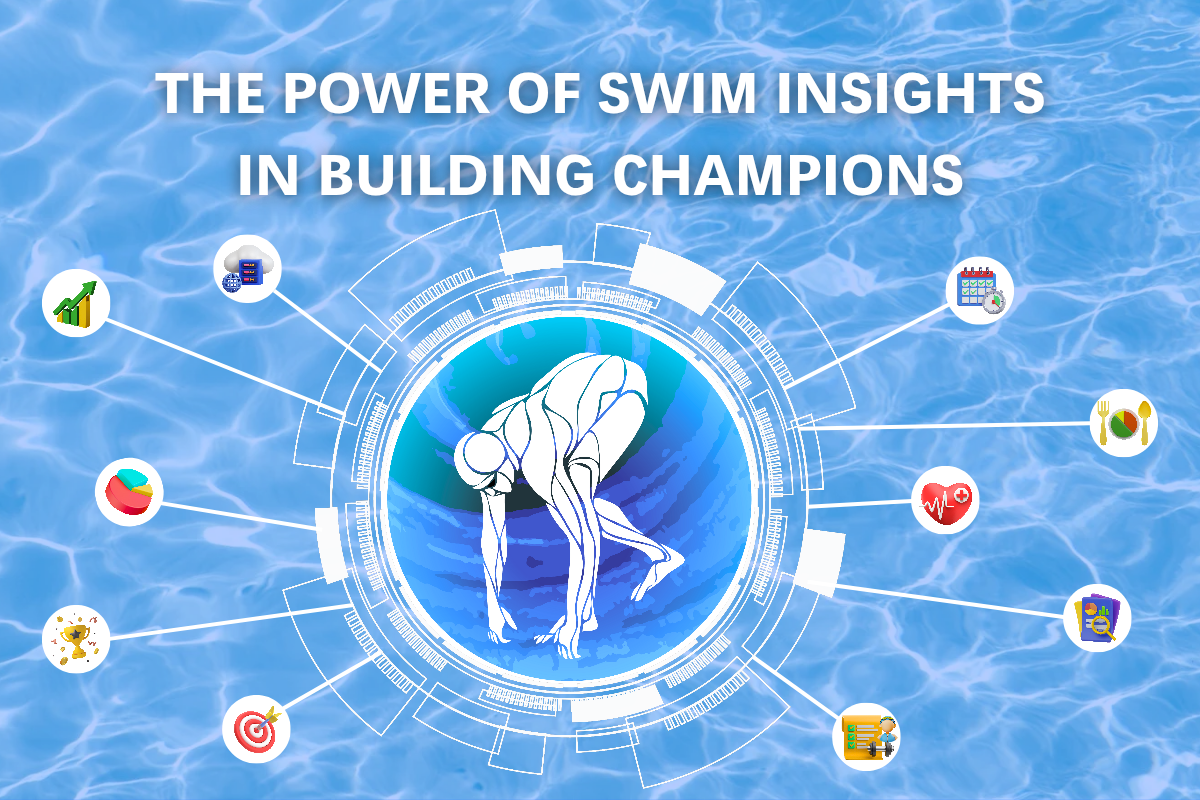
The Power of Swim Insights in Building Champions

In the evolving landscape of competitive swimming, natural talent and traditional training methods remain important—but they are no longer sufficient for their own. Today, performance is increasingly shaped by something less visible but incredibly powerful data. From stroke mechanics and turn times to recovery metrics and biometric feedback, data is becoming the sport’s most valuable coaching asset. It transforms guesswork into precision, helping swimmers train smarter, recover better, and compete stronger.

As the global sporting world embraces science-backed, data-driven performance, swimming has entered a new era—one where data isn’t just a support. It’s strategy.

1. The Technological Leap in Swimming

  • A study from MDPI describes an intelligent analytics system using wearable inertial sensors and biosensors to track stroke, turns, speed, and heart metrics, delivering real-time feedback with over 95% accuracy.
  • A systematic review in PMC highlights how accelerometers and gyroscopes, integrated into wearables, have enabled real-time stroke counting, timing, and performance feedback.
  • In competitive settings, Phlex Swim reports that since January 2023, World Aquatics (FINA) permits data collection wearables during competition—capturing lap rate, stroke length, heart rate, and underwater time for post-race analysis.

2. Why Data Builds Faster Swimmers

Data doesn’t just inform—it transforms.

When used effectively, swim analytics enable coaches and athletes to:

  • Compare performance benchmarks, identifying areas of strength and weakness.
  • Visualize performance efficiency, often invisible to the naked eye.
  • Track fatigue and recovery, preventing overtraining and injury.
  • Optimize race strategies by understanding split patterns and stroke variations.

Globally, data-led training models have shown tremendous success. By combining math, biomechanics, and sport science, many programs have built swimmer profiles that are dynamic, adaptable, and optimized in real-time.

However, technology must be applied thoughtfully. A 2023 article in Swimming World Magazine warns that data overload—especially among younger athletes—can lead to anxiety or dependence. Used correctly, however, data becomes a trusted guide, not a distraction.

3. India’s Swim Ecosystem: Beginning the Tech Transition

  • India is slowly embracing the shift toward a digital swimming ecosystem—but it still has a long way to go. At major international events, India’s representation remains limited. In recent Olympic Games, just two swimmers qualified to compete—highlighting a performance gap between India and swimming powerhouses.
  • While elite-level swimmers may have access to biomechanical assessments and imported wearables, grassroots swimmers, coaches, and clubs often operate without structured data or digital tools. Many still rely on notebooks, subjective feedback, or inconsistent training loads. According to the Swimming Federation of India, national-level development has increased, but consistent access to athlete analytics remains a challenge.

4. SwimProHub’s Role in Closing the Gap

This is where technology has the power to democratize performance—and SwimProHub Academy360° is leading that transformation. SwimProHub Academy360°, India’s first comprehensive swim-tech app, brings swim training, athlete registration, performance tracking, smartwatch integration, nutrition monitoring, and vitals logging into one ecosystem—enabling access for academies/clubs, coaches, parents, and swimmers. SwimProHub Academy360° is designed to make high-performance analytics available to every swimmer—regardless of their geography or income level.

What sets it apart?

  • Affordable and integrated analytics that replace the need for costly global tools.
  • Smartwatch connectivity, tracking key performance metrics like stroke rate, SWOLF, and split timings.
  • Coach-friendly dashboards for workout planning, training evaluation, and session scheduling.
  • Activity, vitals, and nutrition logging, ensuring swimmers train and recover scientifically.
  • Multi-user access, including features for parents, athletes, and club admins.

This makes SwimProHub Academy360° the first Indian platform to consolidate training, analytics, health, and goal-setting—on one seamless interface. By simplifying data interpretation and making insights actionable, SwimProHub supports continuous athlete development—exactly as successful programs in the U.S. and Europe have proven effective.

In India, a similar evolution is not only possible—it’s necessary. Platform like SwimProHub Academy360° is already enabling:

  • Evidence-based coaching, reducing guesswork in planning and tapering.
  • Clear performance visualization, making progress tangible for swimmers and families.
  • Data-driven athlete development, from grassroots to elite training environments.

As the University of Virginia’s Data Science department and others have demonstrated, integrating biomechanics, sensors, and math into training shifts swimmers from intuition-based to precision-based performance. With platforms like SwimProHub, India is poised to adopt such innovation—tailoring plans, tracking metrics, and guiding swimmers scientifically.

Conclusion

“Data is the new coach.” This is not a metaphor—it’s a mindset shift. And India has the talent, ambition, and now the tools to make it happen.

With SwimProHub Academy360°, the country is stepping into an era of smart swimming—where science backs every session, and performance is continuously nurtured through actionable insights.

India doesn’t need to wait for global solutions. The solution is already here—and it’s built for Indian swimmers, by Indian technologists, and with Indian excellence in mind.

It’s time to stop tracking laps—and start building champions.

Categories Swim Community

The Rise of the Swimwear & Gear Industry: Market Insights and Top Brands in India (2025)

Overview

As swimming grows across competitive, recreational, and wellness segments, the swimwear and gear market is expanding rapidly—both globally and in India. From performance tech suits to beginner-friendly goggles, the demand for quality products is increasing across all swim levels.

In this article, we explore how big the swimming gear industry really is, what’s fueling its growth in India, and which top 10 brands are leading the market in 2025.

Global Swimwear & Swim Gear Market: Key Stats
  • Global Market Size (2023): US $23.1 billion – projected to reach US $36.15 billion by 2030 (CAGR ~6.6%)
  • Other estimates say US $25.6 billion in 2023, with growth to US $39.1 billion by 2030 (CAGR ~6.25%)
  • Asia-Pacific accounts for 32–37% of global swimwear consumption
Growth Drivers:
  • Surge in competitive swimming, triathlon, and water sports
  • Increasing demand for fitness and leisure swimwear
  • Growth in women’s and kid’s activewear
  • Adoption of sustainable materials and smart swim gear
India’s Swimwear & Gear Market: Emerging But Poised

Although still niche compared to other major sports, India is witnessing rapid growth in the swim segment, driven by:

  • School and state-level participation
  • Parental investment in starter swim kits
  • Entry of global brands via e-commerce and retail
  • Momentum in data-driven performance training
Indicative Statistics:
  • ~3% of urban Indians swim at least twice weekly in summer
  • ~24% of non-swimmers expressed interest in learning to swim in wellness surveys
  • Indian fitness apparel market is growing ~15% CAGR, swimwear forming a strategic seasonal segment
Top 10 Swimwear & Gear Brands in India (2025)

Here’s a curated snapshot of the leading brands shaping India’s swim gear market:

Sr. Brand Focus Flagship Products
1 Speedo Competitive & Racing Fastskin suits, Biofuse goggles
2 Arena Elite/National Powerskin Carbon suits, Cobra Ultra
3 TYR Sport Sprint/Training Venzo suits, Catalyst paddles
4 Nabaiji (Decathlon) Beginners/Fitness Easy-fit goggles, entry suits
5 Mizuno Elite Racing GXSonic IV & V suits
6 FINIS Technique Tools Snorkels, Smart Goggles
7 Mad Wave Budget Clubs Training suits, kickboards
8 Zoggs Kids/Open Water Float suits, Predator goggles
9 A3 Performance Sprint-focused VICI suits, Drag Socks
10 HEAD Swimming Triathlon/Open Water Wetsuits, silicone caps
Conclusion: Why It Matters

India’s swimwear and gear industry is rapidly evolving—no longer limited to elite athletes. Swimming is now gaining serious traction across schools, academies, fitness centers, and competitive platforms. With this momentum comes a surge in demand for high-performance swimwear, gear, and connected training tools that support every level of swimmer.

As international brands increase their footprint in India and awareness spreads across urban and semi-urban centers, swimwear and gear are no longer accessories—they’re essentials. For India to truly compete on the global stage and build a sustainable aquatic culture, we need an ecosystem that is connected, data-driven, and inclusive. That’s where SwimProHub comes in – The digital backbone of the swimming ecosystem. Built to empower swimmers, coaches, academies, and everyone passionate about swimming and water safety, we provide the tools, technology, and network to take Indian swimming to the next level. Our platform offers:
  • Smart swim training analytics for data-informed coaching and performance tracking
  • Academy and athlete management systems for streamlined operations
  • Marketplace discovery to connect swimmers with certified instructors, trusted swim academies, pool builders, health and recovery experts, and more
  • Gear and tech integrations that bring innovation, safety, and convenience into every poolside experience

In a growing swimwear and gear vertical, SwimProHub is building the digital infrastructure needed to scale participation, ensure safety, and enable progress — from grassroots to elite.

The future of swimming in India is connected, tech-enabled, and performance-focused.
Categories Swim Community

Uneven Lanes: Bridging the Gaps in Indian Swimming!

In India, the journey of a swimmer often begins not with a dive into the pool but with a leap of faith leaving behind familiar surroundings in pursuit of better training facilities. This migration highlights a deep-rooted challenge: the uneven distribution of swimming infrastructure and opportunities across the country. 

Geographical Disparities in Swimming Infrastructure

While metropolitan cities like Bengaluru, Pune, and Delhi have access to world-class swimming facilities, many parts of India—especially rural and smaller towns—lack basic swimming pools and professional coaching staff. Only a few states consistently produce elite swimmers, revealing a concentration of resources in limited pockets of the country.
This regional imbalance forces many talented swimmers to uproot their lives, moving hundreds of kilometers from home to cities that offer advanced coaching, quality pools, and competitive training environments. This shift affects not just their training but also disrupts their schooling, family support systems, and social life. For many young athletes, this migration is not an easy choice but a necessity if they want to advance in the sport.

The Financial Burden on Aspiring Swimmers

Swimming is often considered an expensive sport due to the costs associated with coaching, pool access, equipment, nutrition, and travel. When swimmers relocate for better training, these expenses multiply, including accommodation and living costs in a new city. For families from smaller towns or modest financial backgrounds, these expenses can be overwhelming and often become a barrier to pursuing swimming professionally.

Unfortunately, the lack of widespread sponsorship and financial aid means many promising swimmers quit prematurely or never get the chance to compete at higher levels due to economic constraints.

Emotional and Psychological Toll

Beyond physical and financial challenges, young swimmers face considerable emotional and psychological stress. Moving to a new city, away from family and friends, often leads to feelings of loneliness and homesickness. Adapting to new cultures, languages, and lifestyles adds to the mental load.
These pressures, combined with the intense demands of training and competition, can lead to anxiety, burnout, and sometimes even mental health issues. Studies have shown that athletes who relocate early without adequate psychological support are more vulnerable to these issues, which directly impact their performance and overall well-being.

The Data and Analytics Gap in Indian Swimming

In comparison to globally advanced swimming nations, India lags in consistent use of data and analytics for swimmer development. Elite swimmers occasionally benefit from video analysis and biomechanical assessments, but these are sporadic and mostly unavailable to grassroots athletes.

Without continuous performance tracking and scientific feedback, coaches find it challenging to design personalized training plans or identify emerging talent early on. This lack of accessible swim data analytics creates a blind spot in athlete development, leaving many potential stars undertrained or unnoticed.

How Technology Can Bridge These Gaps

Technology offers a powerful solution to democratize swimming training and support across India. Digital platforms can provide swimmers and coaches with tools to track daily workouts, monitor progress, analyze timings, and communicate efficiently regardless of location.

By leveraging such platforms, even swimmers in remote areas can receive expert feedback, access training plans, and maintain a connection with their coaches. Parents can stay informed about their child’s progress, and academies can streamline athlete management — all of which build a more inclusive ecosystem.

SwimProHub Academy360° is dedicated to creating accessible technology — a user-friendly, affordable digital platform that empowers swimmers from grassroots to elite levels. It helps break down geographic and financial barriers, giving every swimmer a fair shot at success.

Conclusion

India’s swimming potential is vast, but it remains untapped due to systemic disparities in infrastructure, financial accessibility, emotional support, and technological adoption. Addressing these issues requires collective efforts from government bodies, sports federations, academies, coaches, parents, and technology innovators.

By investing in decentralized infrastructure, providing financial support, ensuring mental health awareness, and embracing data-driven training platform like SwimProHub Academy360°, we can create an environment where every aspiring swimmer can thrive — no matter where they come from.

Join the Conversation

Are you a coach, athlete, parent, or sports enthusiast? Share your stories and ideas on how we can build a stronger, more equitable swimming community in India. Together, we can change the tide.

Categories Swimming Training

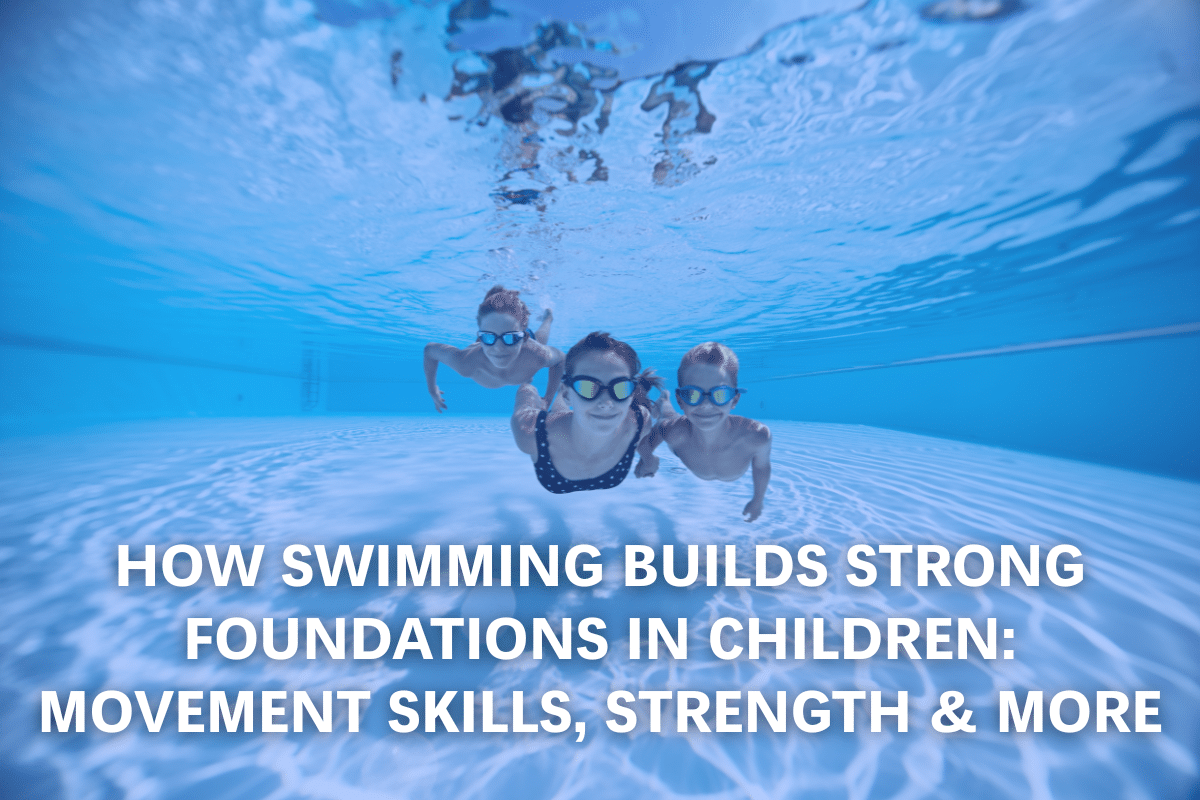
How Swimming Builds Strong Foundations in Children: Movement Skills, Strength & More

When it comes to youth development, few sports offer as many lifelong benefits as swimming. Beyond being a fun and essential life skill, research increasingly shows that swimming plays a pivotal role in physical development, motor coordination, and athletic performance in children. If you’re a parent, coach, or academy owner, understanding how swimming shapes young athletes can help you design better training programs and encourage long-term engagement in sport.

Why Swimming Matters in Early Childhood

A systematic review published in 2023 reveals a compelling insight: children aged 3 to 11 who participate in swimming demonstrate superior fundamental movement skills compared to their peers in other sports.

What are fundamental movement skills?
  • Balance
  • Coordination
  • Agility
  • Jumping
  • Throwing & catching (general motor patterns)

Swimming enhances all these areas by engaging both the upper and lower body simultaneously, improving neuromuscular control and spatial awareness. Because water offers natural resistance and buoyancy, kids develop strength without stress on growing joints, making it a safe yet effective full-body workout.

Performance Factors in Competitive Youth Swimmers

For kids advancing into competitive swimming, muscle strength, power, lean body mass, and aerobic capacity become critical. A 2024 research article published by BioMed Central identifies these as the key performance determinants in young swimmers.

What this means for coaches:
  • Integrate age-appropriate strength and resistance training into swim programs.
  • Emphasize core stability and flexibility to improve technique and reduce injury risks.
  • Use body composition tracking to guide individualized nutrition and training plans.

This data-backed approach improves results in the pool and builds a strong athletic foundation for transitions into other sports or lifelong fitness habits.

How Swimming Builds Transferable Skills

Unlike many land-based sports that focus on specific muscle groups or skills, swimming builds a versatile base:

  • Enhances lung capacity and cardiovascular health
  • Boosts mental focus and discipline
  • Improves coordination between breathing and movement

This translates well into other activities—whether it’s track & field, martial arts, or gymnastics. Young swimmers often stand out for their motor control and body awareness, which are crucial in both sport and daily life.

What This Means for Parents, Schools & Academies

If you run a swim school or academy, positioning swimming as a developmental sport for children can help attract and retain students. Here’s how to leverage this insight:

  • Highlight the developmental benefits of swimming in your marketing.
  • Educate parents through blog posts, workshops, or social media reels.
  • Offer age-specific programs that focus on movement skills in addition to technique.

SwimProHub Academy360° can help you manage training data, progress tracking, and communication with parents making your academy smarter, not just bigger.

Final Thoughts :

Swimming is more than just a sport—it’s a tool for holistic growth in children. By improving movement skills, building physical strength, and promoting healthy routines, swimming sets kids up for success in sports and life.

Whether you’re a parent exploring the best options for your child or a coach designing training systems, the message is clear: Start with swimming!

WhatsApp Channel