
Tag: SwimForHealth

Categories Swimmer Nutrition

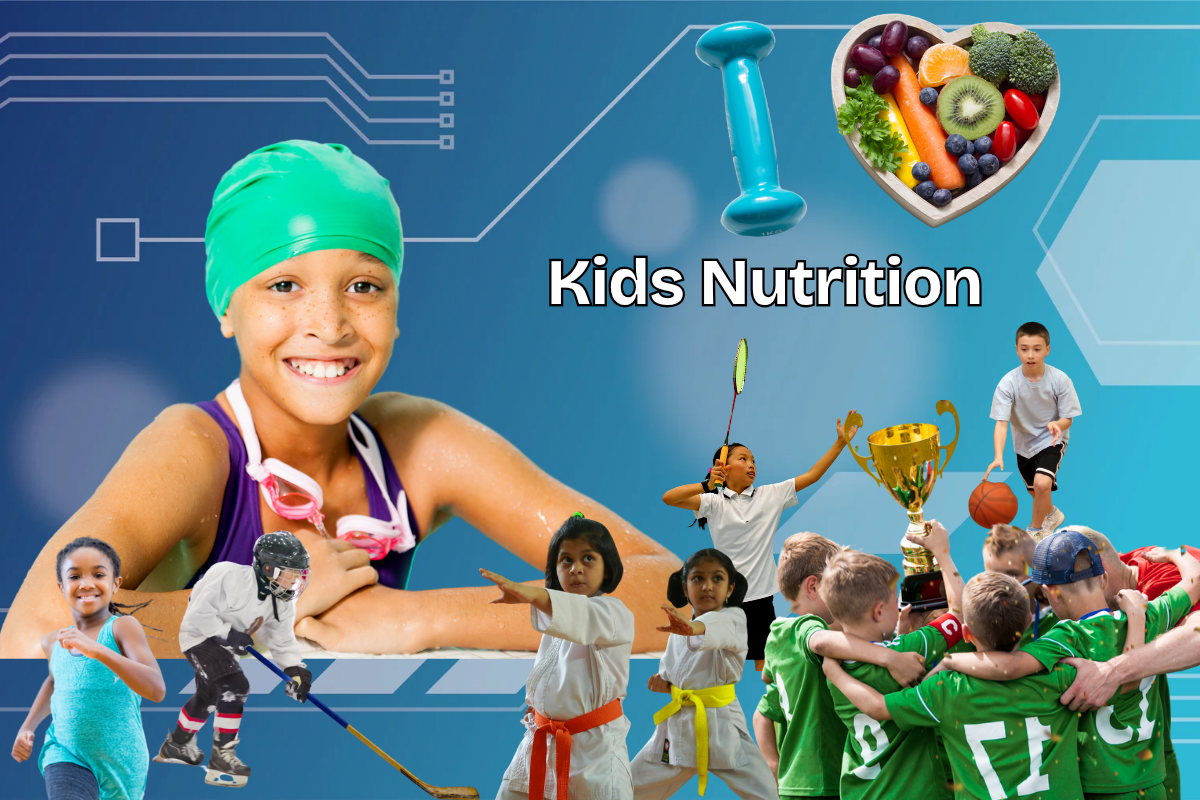
“Stronger, Faster, Healthier: The Best Competition Foods for Kids!”: What Should Kids Eat Before and After?

Children’s performance, stamina, and recuperation during sporting events are greatly influenced by their diet. In addition to ensuring they have the energy and stamina they need, a well-balanced meal before and after the event aids in muscle recovery.

For young athletes to compete at their highest level, proper nutrition is essential. Fueling your child’s body with the correct nutrients before and after a competition can have a big impact on their energy levels, endurance, and recovery, regardless of whether they play track, basketball, soccer, or swimming.
This is a list of foods that children should consume both before and after a competition.
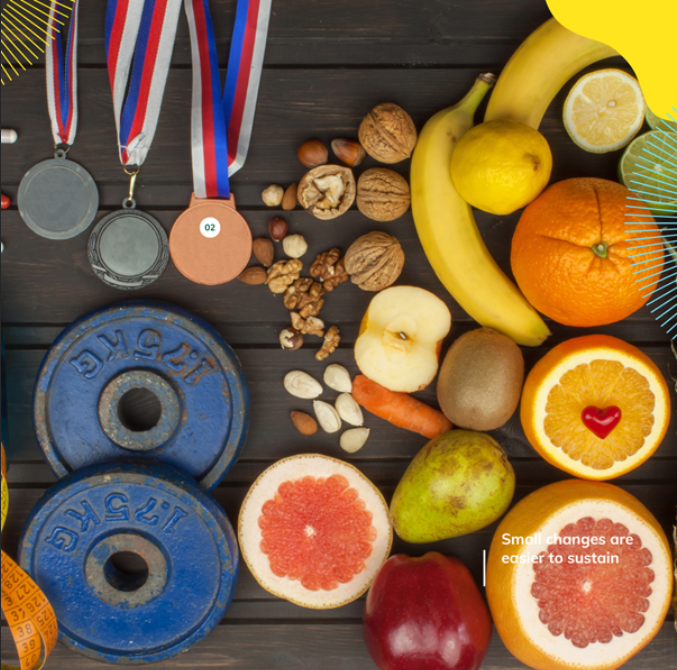
Why Kids Need to Pay Attention to Their Diet?

Because they grow and develop differently than adults, children have different nutritional demands. For kids, a healthy diet offers:

  • Energy to maintain performance and stamina.
  • Protein for building and repairing muscles.
  • The body and brain need carbohydrates as their main energy source.
  • Good fats for brain function and sustained energy.
  • Minerals and vitamins that promote immunity, muscle growth, and bone health.
  • Drink plenty of water to avoid cramps, exhaustion, and overheating.

Nutrition Prior to Competition

Pre-competition meals are primarily intended to maximize hydration, avoid weariness, and supply sustained energy. Here are several important rules:

  • Eat at the Right Time: Have a meal 2–3 hours before the competition and, if needed, a light snack 30–60 minutes before.
  • Prioritize Carbohydrates: Choose complex carbs like fruits, vegetables, and whole grains for sustained energy.
  • Include Moderate Protein: Support muscle function with lean chicken, dairy, eggs, or nuts.
  • Limit Fats: Opt for healthy fats like olive oil, avocado, and almonds, but keep them in moderation as they digest slowly.
  • Stay Hydrated: Drink water consistently before the event.
  • Try These Pre-Competition Meals:
    • Whole-wheat bread with peanut butter and banana
    • Oatmeal topped with nuts and fruits
    • Brown rice with grilled chicken and steamed vegetables
    • Yogurt with granola and berries

Nutrition After Competition:

Post-competition meals are more focused on energy , protein and carbohydrates. Here are some aspects

  • Refuel and Rehydrate Quickly: Eat within 30–60 minutes after the competition to speed up recovery.
  • Combine Carbs and Proteins: Pair carbohydrates with proteins for optimal muscle repair and energy replenishment.
  • Boost Glycogen Levels: Choose carb-rich foods like pasta, rice, whole grains, and fruits.
  • Support Muscle Recovery: Include protein sources such as cheese, yogurt, chicken, and eggs.
  • Replenish Fluids: Offer water or electrolyte-rich drinks to restore hydration.
  • Try These Post-Competition Snacks:
    • Whole wheat tortilla with grilled chicken and vegetables
    • Scrambled eggs with avocado on whole-wheat bread
    • Greek yogurt with honey and mixed nuts
    • Smoothie with milk, banana, and protein powder
    • Salmon with steamed broccoli over brown rice

Tips for Hydration:

  • Children should stay hydrated throughout the day..
  • Maintaining hydration levels might be aided by homemade electrolyte drinks or coconut water.
  • Steer clear of caffeinated beverages and sugary sodas as these might cause dehydration.

Conclusion:

Kids who eat healthily both before and after a competition are more likely to compete at their highest level and recover efficiently. Make an effort to eat a balanced meal that is high in proteins, carbs,and water. Young athletes may maintain their energy, health, and readiness for the next challenge with the correct diet.

Young athletes can improve their performance, recuperate more quickly, and adopt wholesome dietary habits that will help them in all aspects of their athletic careers. Maintaining their strength, energy, and readiness for the next challenge is ensured by providing their bodies with the proper nourishment!

Categories Swimming Benefits

The Benefits of Swimming: A Comprehensive Overview

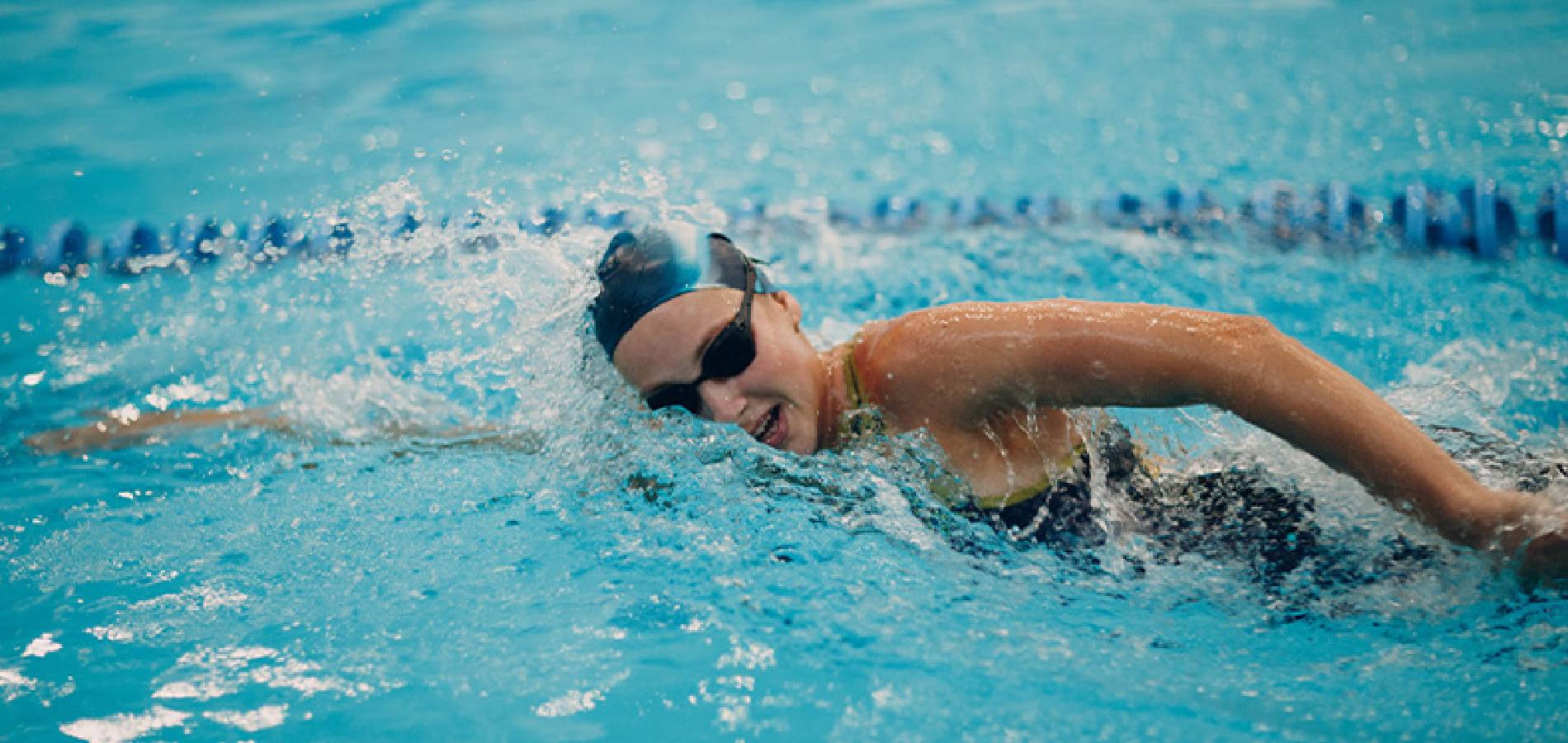
Swimming, often described as one of the most enjoyable and effective forms of exercise, offers a multitude of benefits that extend beyond mere physical fitness. Whether you’re gliding through the water for leisure, competition, or rehabilitation, swimming provides a full-body workout that can positively impact various aspects of your health and well-being. Here’s a closer look at why swimming is such a beneficial activity. 

  1. Full-Body Workout

One of the most significant benefits of swimming is that it engages almost every muscle group in your body. Unlike many other forms of exercise that may focus on specific areas, swimming provides a balanced workout that strengthens the upper body, core, and lower body simultaneously. The resistance of the water forces your muscles to work harder, leading to increased strength and endurance over time. 

  1. Cardiovascular Health

Swimming is an excellent cardiovascular workout that improves heart and lung health. Regular swimming sessions help increase your heart rate, enhance circulation, and improve overall cardiovascular endurance. Research indicates that consistent swimming can reduce the risk of cardiovascular diseases, such as heart attacks and strokes, while also helping to lower blood pressure and improve cholesterol levels. 

  1. Low-Impact Exercise

For those with joint issues or arthritis, swimming is a particularly appealing form of exercise. The buoyancy of the water supports your body, reducing the strain on your joints and minimizing the risk of injury. This makes swimming an ideal choice for individuals who need a low-impact exercise that still provides an effective workout. 

  1. Improved Flexibility

Swimming involves a wide range of motion and requires various stretching movements, which can enhance flexibility. The different strokes, such as freestyle, backstroke, and butterfly, necessitate a broad range of motion in the shoulders, hips, and ankles, helping to keep your muscles and joints limber. 

  1. Stress Relief and Mental Health

Engaging in swimming can also have a profound impact on mental health. The rhythmic nature of swimming, combined with the soothing effect of being in water, can help reduce stress and promote relaxation. Studies have shown that regular swimming can lower symptoms of anxiety and depression, enhance mood, and improve overall mental well-being. 


  1. Enhanced Coordination and Balance

Swimming requires coordination of both the upper and lower body, as well as maintaining proper breathing techniques. This can improve overall body coordination and balance. For athletes and individuals looking to enhance their physical performance, swimming can complement other training regimens by fostering better body awareness and control. 

  1. Weight Management

Swimming is an effective way to burn calories and manage weight. Depending on the intensity and duration of your swim, you can burn a significant amount of calories, making it a valuable component of a weight management plan. The combination of aerobic exercise and muscle engagement in swimming helps to build muscle mass, which in turn can increase your resting metabolic rate. 

  1. Rehabilitation and Recovery

Due to its low-impact nature, swimming is often used in rehabilitation programs for various injuries and conditions. The resistance of water provides a gentle yet effective way to strengthen muscles and improve mobility without placing undue stress on the body. Many physical therapists recommend swimming to aid in recovery from injuries and surgeries. 

  1. Social and Recreational Aspects

Beyond the physical and mental benefits, swimming can also be a social and recreational activity. Swimming in a pool, lake, or ocean can be a fun way to spend time with friends and family, participate in group classes, or join a swim team. The social interaction and enjoyment of being in the water can enhance overall quality of life. 

  1. Life Saving Skill 

Swimming is a lifesaving skill and enhances safety.   

Conclusion 

Swimming is a versatile and beneficial form of exercise that supports overall health and well-being. Its ability to provide a full-body workout, improve cardiovascular health, and promote mental relaxation makes it an appealing choice for people of all ages and fitness levels. Whether you’re a seasoned swimmer or just starting out, incorporating swimming into your routine can lead to numerous physical and psychological benefits, making it a worthwhile addition to any healthy lifestyle. 

WhatsApp Channel