Tag: IndianSwimming

Categories Swim Community

Uneven Lanes: Bridging the Gaps in Indian Swimming!

In India, the journey of a swimmer often begins not with a dive into the pool but with a leap of faith leaving behind familiar surroundings in pursuit of better training facilities. This migration highlights a deep-rooted challenge: the uneven distribution of swimming infrastructure and opportunities across the country. 

Geographical Disparities in Swimming Infrastructure

While metropolitan cities like Bengaluru, Pune, and Delhi have access to world-class swimming facilities, many parts of India—especially rural and smaller towns—lack basic swimming pools and professional coaching staff. Only a few states consistently produce elite swimmers, revealing a concentration of resources in limited pockets of the country.
This regional imbalance forces many talented swimmers to uproot their lives, moving hundreds of kilometers from home to cities that offer advanced coaching, quality pools, and competitive training environments. This shift affects not just their training but also disrupts their schooling, family support systems, and social life. For many young athletes, this migration is not an easy choice but a necessity if they want to advance in the sport.

The Financial Burden on Aspiring Swimmers

Swimming is often considered an expensive sport due to the costs associated with coaching, pool access, equipment, nutrition, and travel. When swimmers relocate for better training, these expenses multiply, including accommodation and living costs in a new city. For families from smaller towns or modest financial backgrounds, these expenses can be overwhelming and often become a barrier to pursuing swimming professionally.

Unfortunately, the lack of widespread sponsorship and financial aid means many promising swimmers quit prematurely or never get the chance to compete at higher levels due to economic constraints.

Emotional and Psychological Toll

Beyond physical and financial challenges, young swimmers face considerable emotional and psychological stress. Moving to a new city, away from family and friends, often leads to feelings of loneliness and homesickness. Adapting to new cultures, languages, and lifestyles adds to the mental load.
These pressures, combined with the intense demands of training and competition, can lead to anxiety, burnout, and sometimes even mental health issues. Studies have shown that athletes who relocate early without adequate psychological support are more vulnerable to these issues, which directly impact their performance and overall well-being.

The Data and Analytics Gap in Indian Swimming

In comparison to globally advanced swimming nations, India lags in consistent use of data and analytics for swimmer development. Elite swimmers occasionally benefit from video analysis and biomechanical assessments, but these are sporadic and mostly unavailable to grassroots athletes.

Without continuous performance tracking and scientific feedback, coaches find it challenging to design personalized training plans or identify emerging talent early on. This lack of accessible swim data analytics creates a blind spot in athlete development, leaving many potential stars undertrained or unnoticed.

How Technology Can Bridge These Gaps

Technology offers a powerful solution to democratize swimming training and support across India. Digital platforms can provide swimmers and coaches with tools to track daily workouts, monitor progress, analyze timings, and communicate efficiently regardless of location.

By leveraging such platforms, even swimmers in remote areas can receive expert feedback, access training plans, and maintain a connection with their coaches. Parents can stay informed about their child’s progress, and academies can streamline athlete management — all of which build a more inclusive ecosystem.

SwimProHub Academy360° is dedicated to creating accessible technology — a user-friendly, affordable digital platform that empowers swimmers from grassroots to elite levels. It helps break down geographic and financial barriers, giving every swimmer a fair shot at success.

Conclusion

India’s swimming potential is vast, but it remains untapped due to systemic disparities in infrastructure, financial accessibility, emotional support, and technological adoption. Addressing these issues requires collective efforts from government bodies, sports federations, academies, coaches, parents, and technology innovators.

By investing in decentralized infrastructure, providing financial support, ensuring mental health awareness, and embracing data-driven training platform like SwimProHub Academy360°, we can create an environment where every aspiring swimmer can thrive — no matter where they come from.

Join the Conversation

Are you a coach, athlete, parent, or sports enthusiast? Share your stories and ideas on how we can build a stronger, more equitable swimming community in India. Together, we can change the tide.
Categories Swim Community

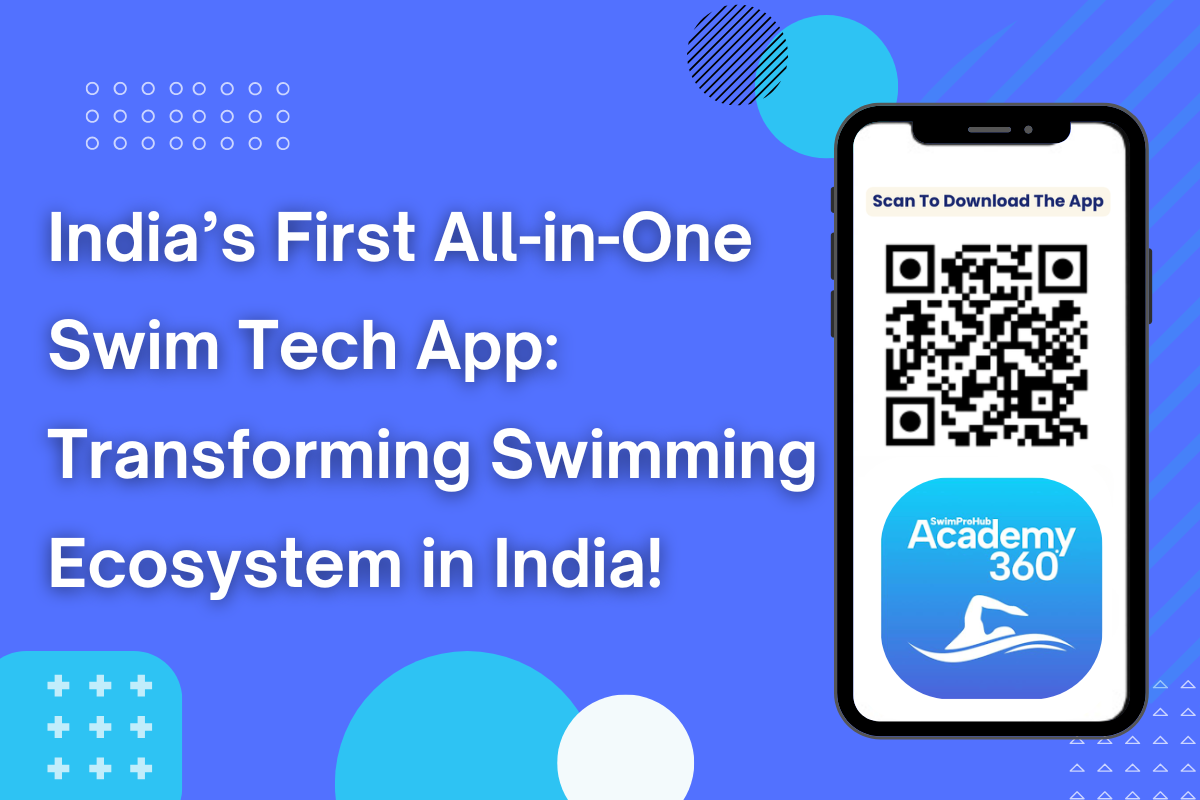
India’s First All-in-One Swim Tech App: Transforming Swimming Eco-System In India!

The Current State of Swimming in India

In today’s sports landscape, data is revolutionizing how athletes train, compete, and improve performance. In swimming, where every fraction of a second matters, using data effectively can be the difference between winning and missing the podium. Swimming in India has always been a sport of passion and dedication, yet it faces challenges that prevent many talented swimmers from reaching their full potential. Unlike elite academies in other countries, most Indian swimmers do not have access to advanced facilities, structured training plans, or performance-tracking tools. Only a few elite swimmers benefit from wearable technology, professional support staff, and scientific training methods, while the rest struggle with limited resources and a lack of data-driven guidance.

Even those who invest in high-tech wearables often do not know how to interpret or use the data effectively. This lack of access and knowledge is a significant reason why India has struggled to produce Olympic-level swimmers. In the 2024 Olympics, only two Indian swimmers qualified despite the presence of thousands of dedicated athletes in the country. This shows that the gap is not in talent but in training methods, resources, and data-driven decision-making. To compete at the highest level, India must move towards structured, data-driven training that helps swimmers optimize performance scientifically. So, how do we bridge this gap and democratize high-performance swimming for all?

SwimProHub Academy 360°: The All-in-One Solution

SwimProHub Academy 360° — India’s first comprehensive digital solution for swimmers, coaches, and academies. This Made-in-India app is designed to bring cutting-edge sports technology to the entire Indian swimming ecosystem at an affordable price.

Unlike expensive international apps that offer limited features, SwimProHub Academy 360° integrates every aspect of swimming training, management, and data analysis into one platform. It ensures that swimmers, coaches, academies, and even parents can work together to track progress, set goals, and achieve better results.

How SwimProHub Academy 360° Works for Everyone

SwimProHub Academy 360° streamlines every aspect by offering essential tools for all stakeholders related to swimming. Academies can efficiently handle swimmer registration, batch scheduling, fee plans, and attendance, while coaches benefit from structured training plans, goal setting, time trials, and performance tracking. Swimmers can log their daily activities, diet, and vitals, track attendance, view goals, and maintain a record of their achievements. Additional features include smartwatch integration, nutrition tracking, biometric attendance, and social media connectivity, making it a complete, data-driven ecosystem tailored for Indian swimming.

Why Data Matters in Swimming

Modern swimming is no longer just about training harder; it is about training smarter. Data helps swimmers, coaches, and academies make informed decisions and improve performance systematically. A major reason Indian swimmers struggle to compete at the international level is that they do not know how to use performance data effectively. SwimProHub Academy 360° simplifies this by collecting and analyzing data, helping swimmers and coaches make science-backed decisions.

For Swimmers:Understanding Strengths and Weaknesses

Swimmers can analyze stroke efficiency by tracking stroke rate, stroke length, and SWOLF score, allowing them to refine their technique. Data on split times, turn efficiency, and breathing patterns help optimize race strategy for better pacing. Monitoring heart rate and recovery time ensures that athletes do not overtrain, reducing the risk of injuries and improving overall performance.

For Coaches: Personalized and Scientific Training

Coaches benefit from real-time performance monitoring, setting goals, conducting time trials, and tracking improvements systematically. They can balance intensity and recovery to reduce burnout and enhance consistency in training. By using data-driven insights, coaches can design customized training programs that target an individual swimmer’s weaknesses while maintaining their strengths.

For Academies: Efficient Swimmer Management

Academies can streamline operations by tracking attendance, managing training schedules, and automating administrative tasks like batch and fee management. Long-term progress reports help identify and develop promising talent, ensuring that resources are used effectively to nurture future champions.

For Parents: Active Participation in a Child’s Growth

Parents can actively monitor their child’s progress by tracking training schedules, goals, and performance data. Daily logs of diet, sleep, and activities provide valuable health and wellness insights, helping swimmers maintain a well-rounded training approach. Transparent progress reports also foster trust between parents and coaches, ensuring that everyone is aligned in the athlete’s development.

Affordable & Accessible for Every Swimmer

Most high-performance swimming solutions are too expensive for grassroots-level athletes. Many Indian parents spend large amounts of money on training, wearables, and diet but do not see the expected results because they lack structured guidance.

SwimProHub Academy 360° changes this by offering an affordable subscription model that costs only 30% of similar foreign apps. This makes advanced training tools accessible from grassroots to elite levels, ensuring EVERY swimmer, not just the privileged few, can benefit from data-driven training.

The Future of Indian Swimming Starts Here

If India wants to compete at the Olympic level, we need to change the way we train and manage our athletes. SwimProHub Academy 360° is not just another fitness app — it is a game-changer for Indian swimming. It brings technology, data, and structured training into one affordable and user-friendly platform, ensuring that talent is no longer limited by resources.

Get Started Today!
Start using SwimProHub Academy 360° and take your training to the next level.Visit swimprohub.com and Follow us for more updates!
Let’s build a stronger swimming community in India together!

Categories Swimming Education

How Swimming Classification Done In The Paralympics

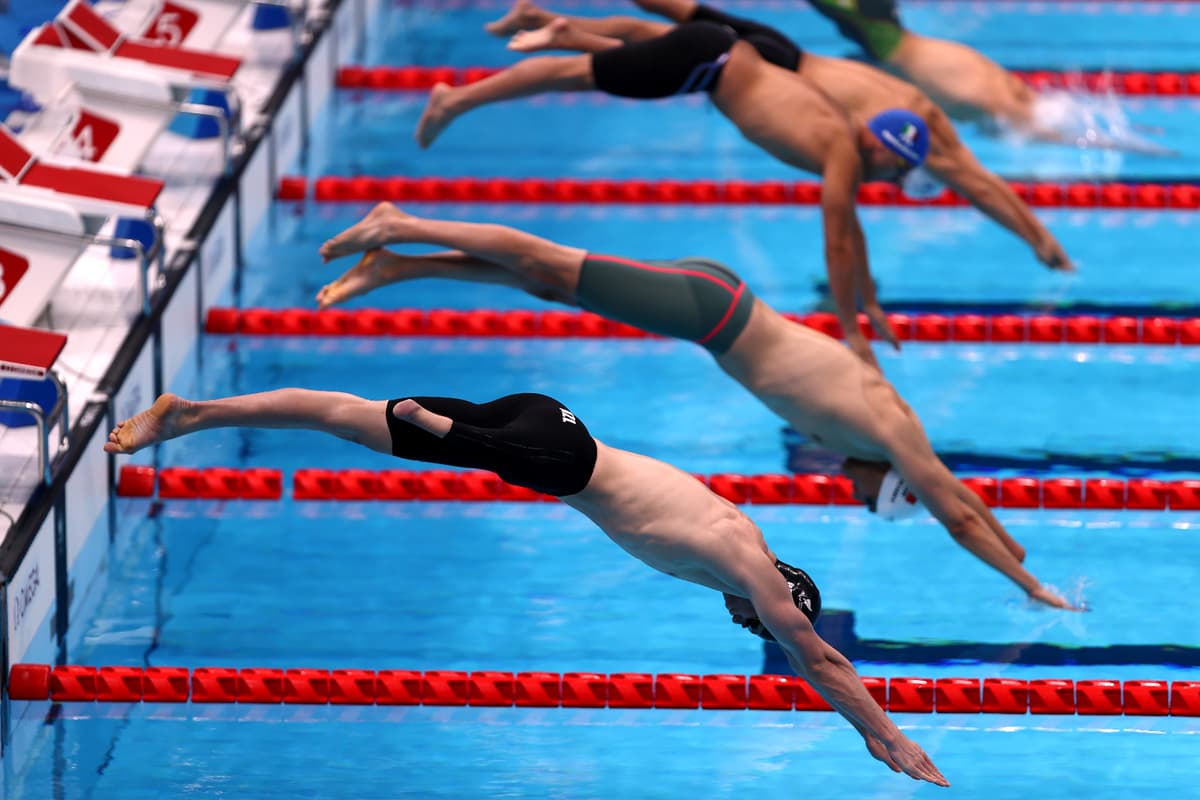
In Paralympic swimming, classification is crucial because it ensures fair competition by grouping athletes with similar levels of impairment. This system allows swimmers with different disabilities to compete on an even playing field, showcasing their skills and abilities without being disadvantaged by the severity of their impairments. 

1. Categories of  Classification 

Swimmers are classified into three main categories based on the type of impairment they have: 

a) Physical Impairments (S1 – S10)

This category includes athletes with physical disabilities. The classification is based on the severity of the impairment, with the numbers representing different levels: 

  • S1 to S3: Severe impairments, such as significant muscle weakness or limited mobility (e.g., a swimmer with reduced muscle strength or severe joint restriction). 
  • S4 to S6: Moderate impairments, such as joint restrictions or muscle weakness that moderately limits mobility. 
  • S7 to S10: Mild impairments, where the swimmer may have only minimal effects on their body’s function, such as mild joint stiffness or slight muscle weakness. 

In these categories, the lower the number (S1), the more severe the impairment. As the number increases (S10), the impairment becomes less severe. 

b) Visual Impairments (S11 – S13)

This classification is for athletes who have varying degrees of visual impairment: 

  • S11: Total blindness or very little sight. These swimmers may use guide rails or audio signals during races. 
  • S12: Swimmers with limited vision, but they can still distinguish some shapes or shadows. 
  • S13: Swimmers with mild visual impairments, who can see with partial or limited vision, but still face challenges in low-light conditions or recognizing details in the water. 

c) Intellectual Impairments (S14)

This category is for athletes with intellectual disabilities, which can affect memory, reasoning, or processing speed. Athletes in this category compete across multiple swimming strokes, and the classification ensures that athletes with similar cognitive abilities race against each other, maintaining fairness in the competition.

2. Why Classification is Important

Classification ensures fairness and allows athletes with different types of impairments to compete against others with similar levels of disability. Without classification, athletes with severe impairments would be at a significant disadvantage compared to those with mild disabilities. By separating athletes based on the severity of their impairments, classification helps provide each swimmer with an equal opportunity to succeed. It allows for a competitive environment where athletes are judged based on their individual talents, rather than the extent of their disability.

3. How Classification Works

The classification process involves multiple steps to assess the level of impairment and how it affects an athlete’s ability to swim. This ensures that athletes are placed in the correct class. 

 a) Medical and Physical Assessments

Athletes undergo comprehensive medical evaluations that include assessments of their physical impairments. This helps determine the level of impairment and the best classification for the athlete. 

 b) Technical Assessments

Athletes are also evaluated during training and competitions to see how their impairment affects their swimming performance. This can include tests of flexibility, strength, endurance, and technique. 

c) Observation in Competition

Once classified, swimmers are observed in actual competition settings. If their performance deviates significantly from the expectations for their classification, they may be reassessed to ensure they are competing in the appropriate category. 

4. Classification Status

After an athlete is classified, they receive one of the following statuses: 

  • Confirmed: This means that no further assessments are necessary unless new medical evidence arises (e.g., progression or change in the impairment). 
  • Review: This status is for athletes whose impairments may change over time, so they are subject to periodic re-evaluation. 
  • Provisional: Temporary classification status for new athletes or athletes awaiting a full assessment. 

5. Challenges And Overcoming Barriers

While classification in Paralympic swimming is a complex process, it plays a key role in ensuring a fair and competitive environment for all athletes. Swimmers face challenges related to their disabilities, but their high level of confidence, training, and determination allow them to overcome these obstacles and perform at the highest levels. Classification helps level the playing field, giving athletes with different types and levels of impairments the opportunity to showcase their unique abilities. 

Conclusion 

The classification system in Paralympic swimming is essential for maintaining fairness, ensuring athletes are grouped according to their level of impairment, and allowing them to compete at the highest level. It is a comprehensive process that takes into account the nature and severity of an athlete’s disability, and it is central to creating a competitive environment where each swimmer can excel based on their skills and determination. 


WhatsApp Channel