Tag: LearnToSwim

Categories Learn to Swim

Basic Swimming Terms

Here are some basic swimming terms that are useful whether you’re just getting started or looking to understand the sport better: 

  • Freestyle (Front Crawl): A swimming stroke where the swimmer lies on their stomach and alternates arm movements while kicking with the legs. 
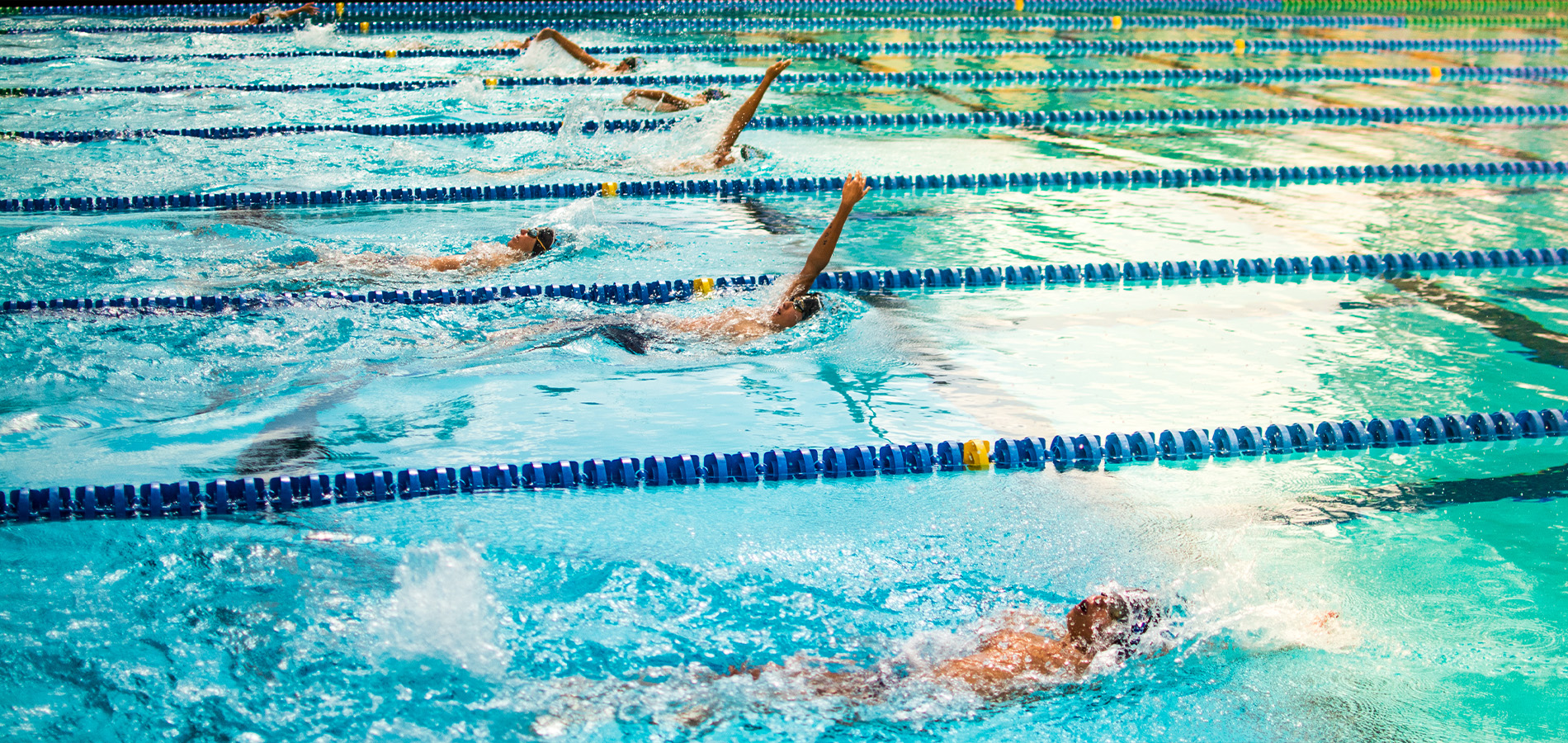
  • Backstroke: A stroke where the swimmer lies on their back and uses an alternating arm movement while performing a flutter kick. 
  • Breaststroke: A stroke characterized by a frog-like kick and simultaneous arm movements in a circular pattern, with the swimmer’s body remaining mostly horizontal. 
  • Butterfly: A stroke where the swimmer uses a dolphin-like kick and simultaneous arm movements, with both arms moving together and the body undulating. 
  • IM (Individual Medley): A swimming event where the swimmer performs each of the four strokes (butterfly, backstroke, breaststroke, freestyle) in a specified order. 
  • Kickboard: A floatation device used to practice kicking techniques. 
  • Pull Buoy: A flotation device placed between the legs to help swimmers focus on their arm technique by reducing leg propulsion. 
  • Tumble Turn: A somersault performed at the end of a lap to change direction and continue swimming in the opposite direction efficiently. 
  • Flip Turn: Another term for tumble turn, usually used in freestyle and backstroke events. 
  • Lap: One complete length of the pool, from one end to the other. 
  • Set: A series of swimming distances or repetitions, often used in training workouts. 
  • Drill: Specific exercises or techniques focused on improving a particular aspect of swimming, such as stroke mechanics or breathing. 
  • Warm-Up: Exercises and swimming done at the beginning of a practice or competition to prepare the body for more intense activity. 
  • Cool-Down: Swimming done at a slower pace at the end of a practice or competition to help the body recover. 
  • Stroke Rate: The number of strokes taken per minute, which can affect swimming speed and efficiency. 
  • Stroke Count: The number of strokes taken to complete a length of the pool, used to gauge efficiency. 
  • Water Polo: A team water sport that combines swimming and ball handling, played in a pool. 
  • Swim Cap: A cap worn to reduce drag and keep hair out of the swimmer’s face. 
  • Goggles: Protective eyewear used to see clearly underwater and protect the eyes from chlorine. 
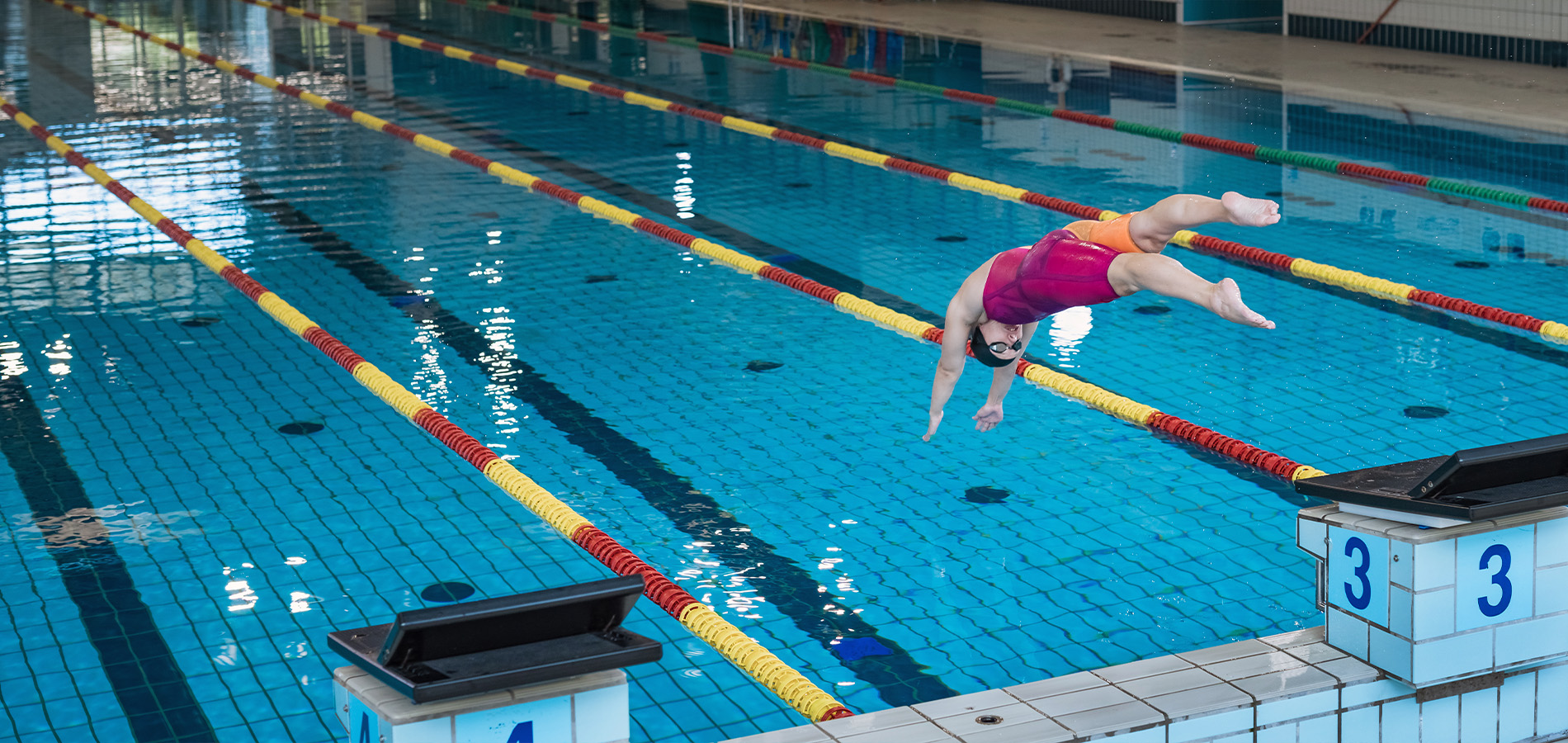
  • Start: The beginning of a swim race, usually initiated from a diving block or the edge of the pool. 
  • Finish: The end of a swim race, marked by touching the wall or timing pad. 

These terms should help you get a good grasp of the basics in swimming! If you have any specific questions or need more detailed explanations, feel free to ask. 
Categories Swim Community

Swimming as a Life-Saving Skill: Why It’s Essential for Everyone

Swimming is more than just a recreational activity or competitive sport; it is a critical life-saving skill that can protect individuals from drowning and other water-related hazards. Mastering swimming techniques is essential for personal safety, enhances survival in emergency situations, and promotes overall water safety awareness. Here’s why swimming is an indispensable life-saving skill for everyone. 

  1. Drowning Prevention

Drowning is a leading cause of accidental death worldwide, particularly among young children. Knowing how to swim significantly reduces the risk of drowning, as it equips individuals with the ability to stay afloat, navigate through water, and reach safety. Even basic swimming skills, such as treading water and floating, can be life-saving in emergency situations. 

  1. Emergency Response

In situations where someone is struggling in the water, knowing how to swim can enable you to assist effectively. Whether it’s helping a friend who has fallen into a pool or intervening in an open water scenario, being able to swim allows you to respond promptly and potentially save a life. Basic knowledge of water rescue techniques and safety practices further enhances your ability to assist without putting yourself at risk. 

  1. Increased Water Confidence

Swimming skills build water confidence, reducing panic and fear in aquatic environments. Individuals who are comfortable in the water are less likely to become disoriented or overwhelmed during a water emergency. Confidence in one’s swimming abilities allows for better decision-making and safer behavior in and around water. 

  1. Development of Survival Skills

Swimming training often includes survival skills such as floating, treading water, and basic strokes. These skills are crucial for maintaining buoyancy and conserving energy when stranded in water. Learning how to stay calm, use efficient movements, and conserve energy can greatly increase your chances of survival in an emergency. 

  1. Understanding Water Safety

Learning to swim involves not only mastering techniques but also understanding water safety principles. Swimmers are educated about potential hazards, such as currents, tides, and the importance of supervision, especially for children. This awareness extends to recognizing and avoiding dangerous situations, thereby enhancing overall water safety for oneself and others. 

  1. Skill Transfer to Other Activities

Swimming skills transfer to various water-based activities and sports, such as kayaking, surfing, and snorkeling. Proficiency in swimming enhances your ability to engage in these activities safely and with greater enjoyment. It also ensures that you are prepared for unexpected situations that may arise while participating in water sports. 

  1. Promoting Lifelong Safety

Swimming is a skill that benefits individuals throughout their lives. From childhood through adulthood, maintaining swimming proficiency contributes to ongoing personal safety. Regular practice and continued improvement of swimming skills ensure that you remain capable and confident in aquatic environments as you age. 

  1. Encouraging Family Safety

Teaching children and family members to swim promotes safety for everyone. When all family members have swimming skills, it creates a safer environment during family outings to pools, lakes, or beaches. It also fosters a culture of safety and preparedness, making water activities more enjoyable and less risky. 

  1. Boosting Emergency Preparedness

In addition to personal safety, swimming skills contribute to broader community preparedness. Knowing how to swim enables individuals to participate in water rescue efforts and assist others in emergencies. It fosters a sense of responsibility and readiness that extends beyond personal safety to community well-being. 

Conclusion 

Swimming is not just a valuable skill for recreation or fitness but a crucial life-saving ability that everyone should strive to master. The ability to swim can prevent drowning, enable effective emergency response, and increase overall water confidence. By promoting swimming education and encouraging people of all ages to learn and practice swimming, we can enhance personal safety, prepare for emergencies, and foster a culture of water safety that benefits individuals and communities alike. 

WhatsApp Channel